English

Provernet represents a revolutionary leap in agricultural technology, introducing a sophisticated network to enhance farming practices. Provernet focuses on optimizing productivity, enabling farmers to use data effectively for decision-making. The initiative is aligned with modern agricultural needs, fostering sustainable and robust food production systems globally.
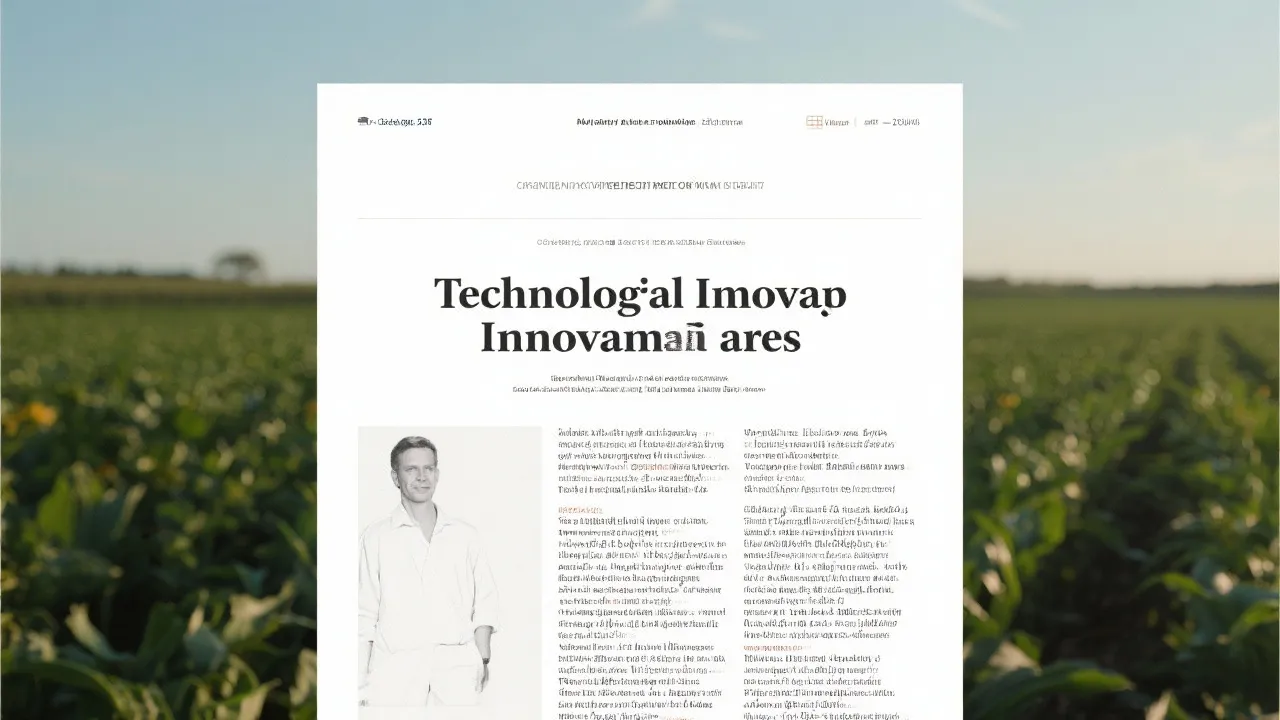
Provernet is a groundbreaking system designed to revolutionize the agricultural sector by integrating advanced technologies and data-driven methodologies into traditional farming practices. This initiative serves as a beacon for innovation in agriculture, promising to enhance productivity, sustainability, and economic viability for farmers worldwide. The drive towards a digitally-enhanced agricultural sector is not merely beneficial but necessary, given the increasing pressures on food supply chains and environmental sustainability. Provernet stands at the intersection of technology and agriculture, promising a transformative approach that aligns the two for mutual benefit.
Agriculture has witnessed significant transformations over the past decades. From the introduction of mechanization to genetic engineering, each step has aimed to increase efficiency and yield. The evolution of farming technologies reflects a deeper understanding of ecological dynamics and the application of scientific advancements. However, the integration of digital technologies like Provernet represents perhaps the most significant leap forward in recent years. Digital farming technologies provide a platform for real-time data collection and analysis, granting farmers the ability to make informed decisions that could reduce waste, optimize resource use, and ultimately increase yield. The importance of these technologies cannot be overstated, as they enable farmers to adapt to changing conditions, embrace sustainable practices, and ensure profitability.
Historically, farming practices were limited by manual labor and rudimentary tools. The introduction of tractors, automatic irrigation systems, and fertilizers marked the beginning of agricultural advancement. Following this, the Green Revolution introduced high-yield genres of crops and modern agricultural techniques that aimed to alleviate food scarcity issues in developing countries. As technology progressed, the incorporation of satellite imaging and GPS technology further enhanced farming precision.
The rise of precision agriculture, a legacy of these earlier advancements, has been characterized by targeted strategies. Utilizing drones, farmers can monitor crop health and identify pest infestations. Yet, the advent of IoT and AI, exemplified by platforms like Provernet, encapsulates the pinnacle of this evolution. Farmers today can access a wealth of information that empowers them to make data-driven decisions every day.
Provernet's system capitalizes on the Internet of Things (IoT), big data analytics, and artificial intelligence to provide comprehensive solutions for the agricultural sector. IoT sensors scattered across farmlands collect data on soil moisture, temperature, crop health, and weather conditions. These datasets are then analyzed by Provernet's analytics module, offering actionable insights and predictions that help in preemptive scheduling of irrigation, fertilization, and pest control.
One of the standout features of Provernet is its adaptability to various agricultural environments. Whether a farmer operates in arid, temperate, or tropical regions, Provernet can be tailored to suit local conditions and specific crops. The adaptability of the technology is not just about fitting into existing systems but rethinking how agriculture can interrelate with contemporary demands from global markets and environmental standards.
Moreover, Provernet integrates seamlessly with mobile devices, providing farmers with real-time updates and alerts regarding their fields. Should a sensor indicate a critical drop in soil moisture, the farmer is immediately notified, allowing for timely intervention. This level of responsiveness is unprecedented and equates to substantial savings in water usage and increased farm efficiency.
By employing Provernet, farmers can expect streamlined operations and improved decision-making, which are crucial for maintaining competitive advantage and sustainability. The system reduces labor costs by automating repetitive tasks such as irrigation scheduling and fertilization applications, which are traditionally manual and labor-intensive. Farmers can redirect their focus to higher-value tasks, potentially leading to improved economic outcomes.
Additionally, Provernet lowers the risk of crop failure by predicting potential problems before they occur. For instance, predictive analytics can forecast pest infestations or disease outbreaks, allowing farmers to apply targeted treatments only when necessary, thereby conserving resources. The predictive capabilities are rooted in elaborate algorithms that assess historical data alongside real-time findings, creating a robust preventive framework.
The benefits extend beyond efficiency and cost-savings alone. Provernet also plays a significant role in promoting sustainable practices. By optimizing fertilizer and pesticide use, farmers minimize their ecological footprint. A direct correlation exists between reduced chemical application and improved soil health, which is crucial for long-term agricultural viability.
| Feature | Explanation |
|---|---|
| IoT Integration | Sensors collect and distribute data for precise farming, supporting targeted interventions. |
| Data Analytics | Transforms raw data into actionable insights, fostering informed decision-making and operational improvements. |
| AI Assistance | Utilizes machine learning for predictive analysis and anomaly detection to anticipate potential agricultural challenges. |
| Resource Optimization | Minimizes waste and maximizes output through effective resource management strategies tailored to specific farm requirements. |
Provernet is not just a solution for local farmers but presents implications for global agricultural practices. With UN projections indicating a significant population increase by mid-century, the demand for food will surge drastically, necessitating more efficient and sustainable farming methods. Provernet’s scalable model can be implemented across different regions, adapting to local conditions and requirements, thereby supporting global food security initiatives.
The global impact of adopting systems like Provernet goes beyond enhancing productivity; it also addresses pressing environmental challenges. The agricultural sector is a significant contributor to global greenhouse gas emissions, and by optimizing practices through data-driven methods, Provernet assists in reducing the carbon footprint associated with farming operations.
Furthermore, Provernet has potential ramifications for food distribution chains. By enhancing local food production capabilities, the system can contribute to reducing food transport distances, thus lowering the overall carbon emissions associated with food transport. In a world increasingly geared towards sustainability, fostering local production with the support of technological innovations is essential.
Research and case studies have shown that regions implementing precision agriculture techniques have reported increased yields and improved economic conditions among farmers. The holistic approach offered by Provernet can assist in creating resilient agricultural frameworks globally. As climate change continues to pose threats to conventional farming methods, systems like Provernet can provide farmers with the necessary tools and strategies to navigate shifts in weather patterns and environmental stresses.
Despite its benefits, the implementation of Provernet is not without challenges. The initial setup costs can be prohibitive for small-scale farmers. The investment required for sensor installation, software procurement, and training programs can pose a barrier to entry, particularly for resource-limited agricultural operations. Additionally, the ongoing costs associated with system maintenance, data storage, and software updates can further contribute to the financial burden on farmers.
Another significant challenge is the need for continuous training and support to ensure effective use. As technology rapidly evolves, the inability of some farmers to keep up with new advancements can lead to underutilization of the system. Digitally literate agricultural specialists are necessary for guiding farmers through the learning process, making it essential to establish support infrastructures that can cater to the varying levels of proficiency among users.
Data privacy is also a critical concern that emerges with the use of data-driven technologies. As farmers collect valuable information about their farming operations, the safeguarding of this data becomes paramount. Establishing secure protocols for data handling and protection is essential to prevent unauthorized access and data breaches that could compromise individual farmers' and organizations' interests. Moreover, measures should be put in place to ensure that data ownership is clearly defined, particularly if the information collected is utilized by third parties for research or commercial purposes.
Furthermore, the uneven distribution of technological resources and access to reliable internet infrastructure can hinder the implementation of Provernet in rural areas. To achieve comprehensive adoption, stakeholders—including governments, private sectors, and non-profits—must collaborate to enhance digital connectivity and educational opportunities in less accessible regions.
Q: What is Provernet?
A: Provernet is a technological platform designed to improve agricultural productivity through advanced data analytics and IoT.
Q: How does Provernet improve farming practices?
A: It provides farmers with real-time data and insights to optimize various aspects of farming, from irrigation to pest control.
Q: Is Provernet accessible to small-scale farmers?
A: While initial costs may be high, collaborations with governments and NGOs could facilitate broader accessibility. Innovative financing models, such as microloans specifically designed for technology adoption, may also bridge the gap for smallholders.
Q: What are the environmental benefits?
A: Provernet enhances sustainability by optimizing resource use and reducing environmental impact. Practices such as reduced water usage, minimized chemical application, and improved soil health contribute to environmental stewardship and biodiversity promotion.
Q: How does Provernet help in food security?
A: By increasing agricultural productivity and resilience to climate change, Provernet plays a pivotal role in supporting food security initiatives on a global scale, enabling farmers to meet the demands of an ever-growing population while mitigating ecological stress.
Q: What support does Provernet provide for data management?
A: Provernet implements secure data management protocols to protect farmer information, alongside tools to analyze and visualize data, allowing farmers to derive valuable insights with ease.
The emergence of Provernet marks a transformative era in agricultural technology. By leveraging cutting-edge tech solutions, Provernet enables farmers to meet the demands of a growing global population efficiently and sustainably. As the world navigates the challenges of climate change and population growth, technologies like Provernet are indispensable in ensuring a secure and sustainable future for food production. The journey toward a digital transformation in agriculture is just beginning, and Provernet is positioned at the forefront, promising to unlock new opportunities and innovations for farmers globally.
In conclusion, the implications of Provernet extend well beyond individual farming operations; they touch on broader economic, environmental, and social spheres. The synergy between technology and agriculture, when harnessed efficiently, can yield unprecedented benefits. Policymakers, agricultural stakeholders, and technology developers must come together to foster an ecosystem where digital tools can thrive and advance the future of food production sustainably.
As we look ahead, ongoing research and development will be essential to refine these technologies, ensuring they remain adaptable and relevant in face of changing agricultural landscapes. With proactive strategies in place, Provernet can be an essential player in shaping the future of food security—transforming the agricultural industry into one that is not only productive but resilient, sustainable, and capable of meeting the demands of generations to come.
How to Thrive on Dating Platforms for Asian Singles

Unveiling Atranet Innovation

Discovering the Essence of Done Ti

Prepaid Phones Without Monthly Fees

Navigating SEO for Business Success
Understanding Done Ti: An In-Depth Analysis

Understanding Rs Sul Telecom's Role in Internet Provision

Navigating Affordable Dental Implant Options

Exploring Internet Service Options

Provernet's Impact on Agriculture
Provernet represents a revolutionary leap in agricultural technology, introducing a sophisticated network to enhance farming practices. Provernet focuses on optimizing productivity, enabling farmers to use data effectively for decision-making. The initiative is aligned with modern agricultural needs, fostering sustainable and robust food production systems globally.
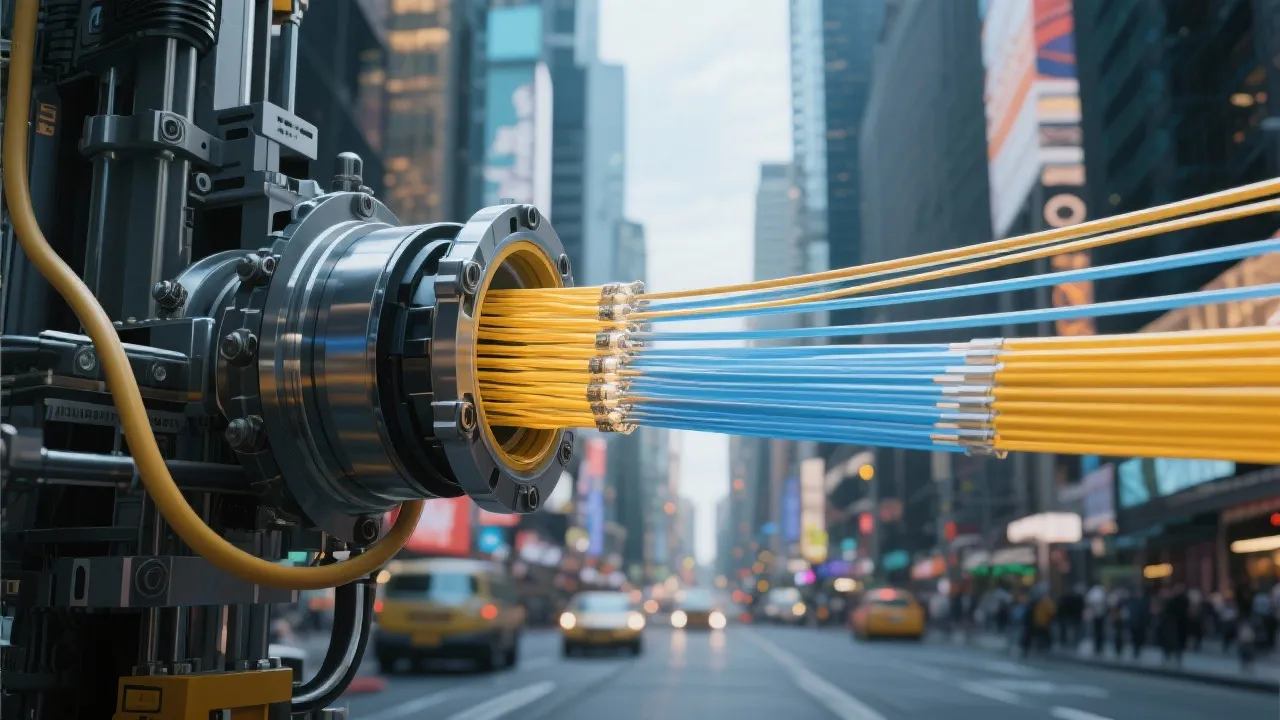
Vurt Fibra: Advancing Optical Networking
Vurt Fibra represents a revolution in the optical networking industry, offering cutting-edge solutions for seamless data transmission. Recognized for its high-speed and reliable connections, Vurt Fibra utilizes state-of-the-art technology to meet the growing demands for robust network infrastructure, making it a critical component of modern telecommunications.

Unveiling Santambrogio Sofas' Elegance
Santambrogio Sofas are renowned for their exquisite craftsmanship and luxurious designs, embodying elegance and comfort in every piece. These sofas not only offer a place to sit but also transform any room into a stylish oasis. With attention to detail and quality materials, Santambrogio stands out in the world of premium furniture.

Discovering the Elegance of Santambrogio Sofas
Santambrogio Sofas epitomize luxury and craftsmanship in furniture design. Known for their sophisticated style and superior quality, these sofas reflect Italian artistry and attention to detail. Crafted with premium materials, Santambrogio Sofas offer a unique blend of comfort and aesthetic appeal, making them a coveted choice for discerning clients who seek both form and function in their home decor.

Discovering Santambrogio Sofas
Santambrogio Sofas epitomize luxury and comfort in the home furniture industry. Known for their elegant designs and impeccable craftsmanship, these sofas offer a unique blend of aesthetics and functionality. Delving into the history and features of Santambrogio Sofas provides insights into their enduring popularity and remarkable presence in modern interior design.

Discover the Artistry of Santambrogio Sofas
Santambrogio Sofas stand at the intersection of luxury and exceptional craftsmanship, offering a range of beautifully designed, high-quality furniture. Known for their exquisite Italian designs, these sofas cater to those who value both style and comfort. This article explores the allure of Santambrogio Sofas, detailing their unique features and explaining why they are a staple in modern, sophisticated homes.