English

This guide offers an in-depth exploration of dental implants, covering costs, benefits, and processes in nearby English-speaking areas. Dental implants are artificial tooth roots used to support restorations, improving oral function and aesthetics. They offer a long-lasting solution for missing teeth, requiring surgical placement by a dental professional.
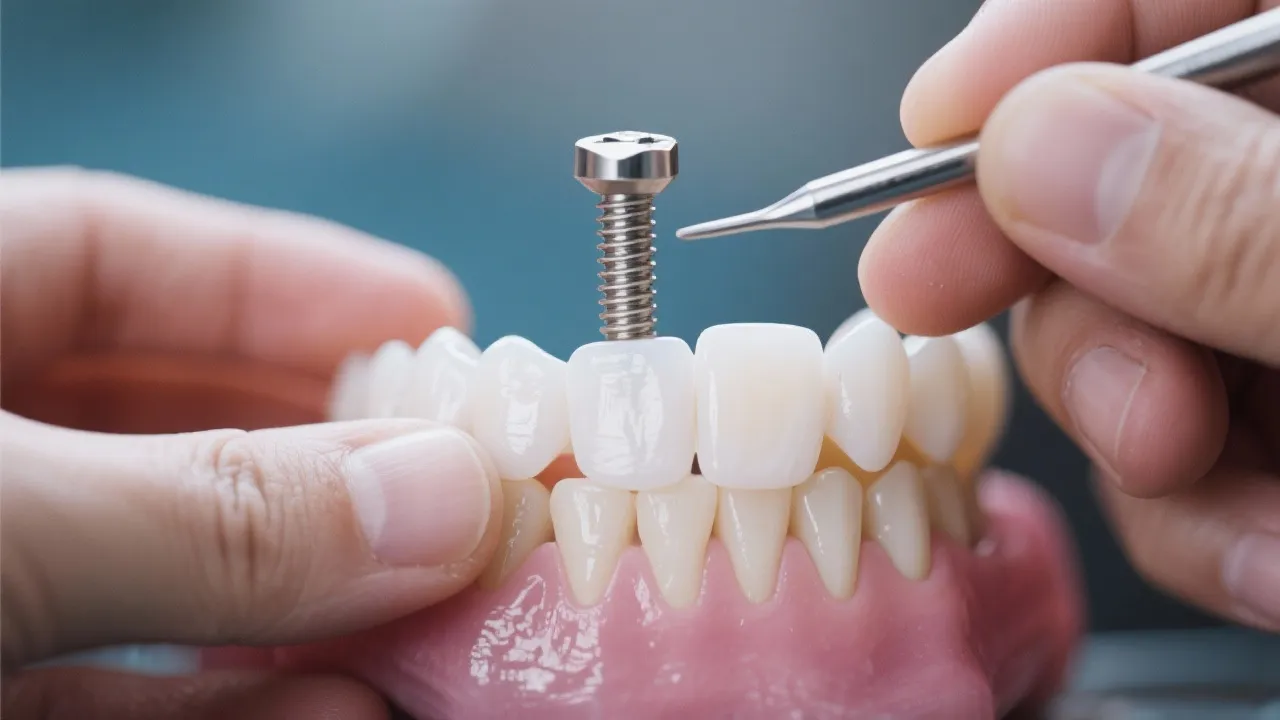
Dental implants have revolutionized the field of restorative dentistry, offering a reliable and durable solution for those with missing teeth. These titanium fixtures are surgically embedded into the jawbone, providing a sturdy foundation for crowns, bridges, or dentures. Unlike traditional prosthetics, dental implants not only restore the appearance of a smile but also maintain the integrity of the jawbone by stimulating natural bone growth. The technology behind dental implants has advanced significantly since their inception, incorporating materials and methods that enhance their effectiveness and longevity.
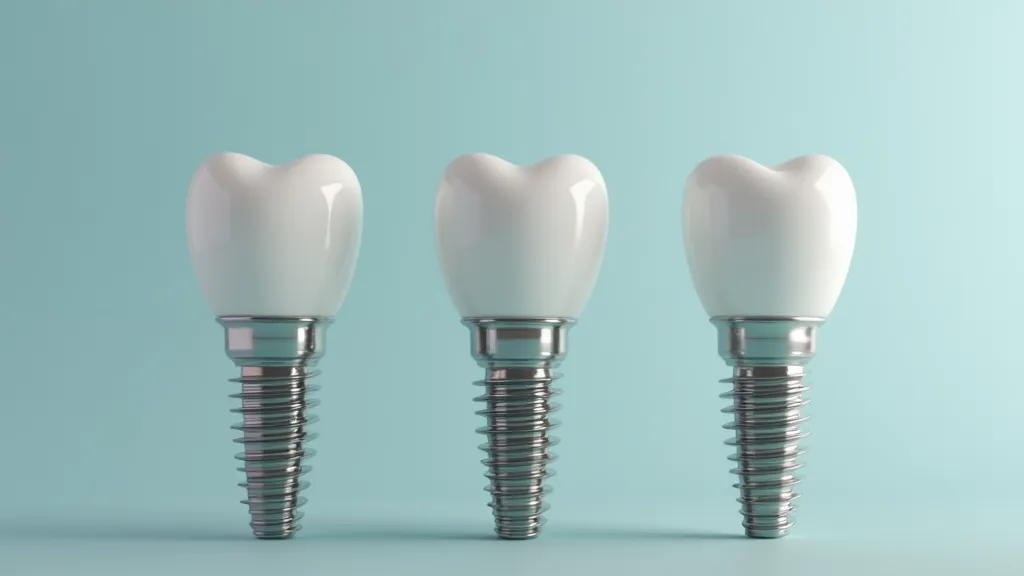
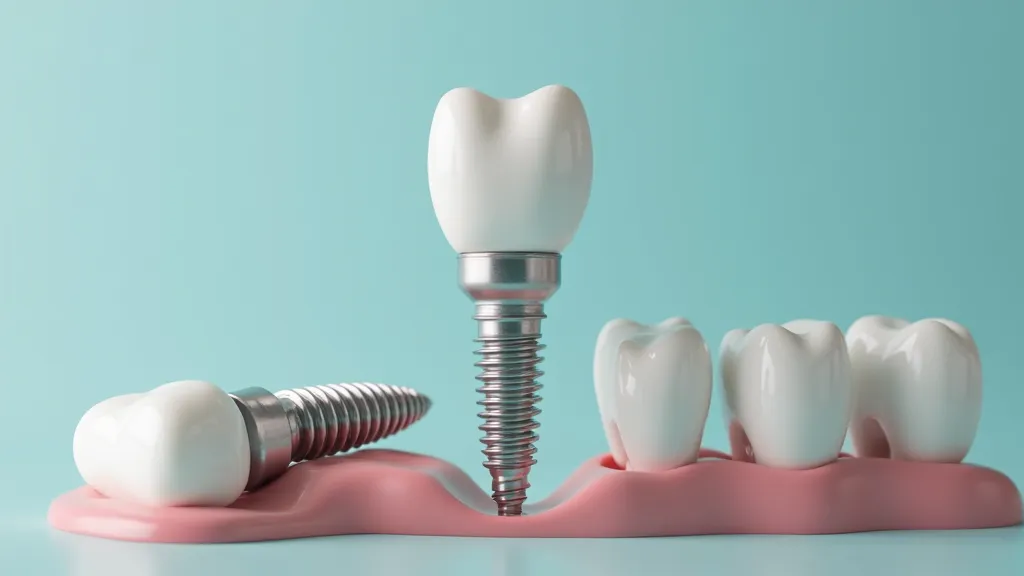
Understanding dental implants also involves recognizing the multiple components that make up this sophisticated dental restoration. The key elements of a dental implant include the post (which is inserted into the jawbone), the abutment (which connects the post to the crown), and the crown itself (the visible part that resembles a natural tooth). Each of these components plays a critical role in ensuring the overall success of the procedure.
The advantages of choosing dental implants over conventional tooth replacement options are numerous and can significantly affect a person's quality of life. Implants provide a natural look and feel, offering stability and functionality similar to that of natural teeth. This is crucial for individuals who have faced the emotional and social challenges associated with tooth loss, as they can regain their confidence and self-esteem.
Beyond cosmetic appeal, dental implants prevent bone loss, a common consequence of missing teeth. When teeth are lost, the underlying bone begins to deteriorate due to lack of stimulation. Dental implants help prevent this process by mimicking the natural tooth root, thus preserving the jawbone's strength and density. This not only maintains facial structure but also alleviates issues related to difficulty in chewing and speaking.
Another significant benefit is that dental implants do not compromise the health of adjacent teeth, a common issue with traditional bridges that depend on neighboring teeth for support. In contrast, implants stand alone, thereby preserving the surrounding teeth. Furthermore, dental implants have a remarkably high success rate of over 95%, making them a viable long-term investment for oral health. This success stems from careful treatment planning and advancements in surgical techniques.
The cost of dental implants can vary significantly based on geographical location, the complexity of the case, and the experience of the dental practitioner. Understanding the financial aspect of dental implants is crucial for individuals considering this option. The price for dental implants often includes several components, including the consultation, imaging, surgical procedure, and follow-up visits.
Below is a table providing a glimpse of cost ranges for individual dental implants across various English-speaking countries:
| Country | Currency | Price Range |
|---|---|---|
| United States | USD | $3,000 - $6,000 |
| United Kingdom | GBP | £2,000 - £2,500 |
| Australia | AUD | AU$3,500 - AU$6,500 |
| Canada | CAD | CA$3,000 - CA$5,500 |
These prices reflect the cost of the entire procedure, which may or may not include additional costs associated with preliminary procedures, such as bone grafting or extractions. Patients should be aware that dental insurance may cover part of the costs associated with dental implants. However, most plans consider dental implants as elective treatments, so it’s important to confirm the specifics with the insurance provider.
For those seeking low-cost dental implants, there are several strategies to consider. Many dental clinics recognize the financial burden of dental implants and offer competitive pricing, financing options, and payment plans to make implants more accessible to patients. Flexible payment arrangements can significantly ease the financial strain of receiving dental implants.
Additionally, dental tourism has gained popularity, especially among individuals in countries where the cost of dental procedures is significantly higher. Patients travel to regions like Mexico, Costa Rica, and Hungary, where they can receive high-quality dental implants at a fraction of the price. These destinations often feature modern clinics with trained professionals who utilize the same technologies as those in the US and UK.
When considering dental tourism, it's essential to conduct thorough research. Patients should look into the dentist's qualifications, the clinic's accreditation, and patient testimonials. Here are several websites providing information on affordable dental implants:
| Website | Features |
|---|---|
| Dental Views | Offers low-cost implant solutions, a comprehensive FAQ section, and pricing details. |
| Atlantic Dental Group | Provides a wide range of dental services, including implants, with easy appointment access. |
| DentaVacation | Specializes in dental tourism with cost comparisons for various countries. |
Source: [Dental Views](https://dentalviews.com/low-cost-dental-implants/), [Atlantic Dental Group](https://www.atlanticdentalgrp.com/), [DentaVacation](https://www.dentavacation.com/)
Obtaining dental implants typically involves several stages, each crucial to the success of the treatment. Initially, a comprehensive dental assessment is conducted to evaluate oral health and determine suitability for implants. Imaging techniques such as X-rays or CT scans are utilized to assess bone density and structure, which are critical in determining if the jawbone can support an implant.
Q: Are dental implants safe?
A: Yes, dental implants are considered a safe and well-established treatment modality. They have a high success rate and are routinely performed by specialists worldwide. The materials used in dental implants are biocompatible, and adverse reactions are extremely rare when proper protocols are followed.
Q: How long do dental implants last?
A: With proper care and maintenance, dental implants can last for several decades, often outlasting traditional dentures and crowns. Factors such as lifestyle choices, oral hygiene, and regular dental visits can impact the longevity of the implant.
Q: Can anyone get dental implants?
A: Most individuals in good health with adequate jawbone density are candidates for dental implants. However, specific conditions such as uncontrolled diabetes, smoking, and periodontal disease can affect candidacy. A detailed consultation with a qualified dental professional will determine suitability based on an oral examination and medical history.
Q: What is the recovery time after getting dental implants?
A: Recovery time varies depending on individual healing responses and the complexity of the procedure. Generally, initial healing may take 1 to 2 weeks, but complete healing for osseointegration can take several months. During this time, it's important to follow any prescribed care instructions to facilitate proper healing.
Q: Will the procedure be painful?
A: Most patients report minimal discomfort during and after the procedure. Local anesthesia is administered to numb the area, and pain can often be managed with over-the-counter pain relievers during the recovery period.
While dental implants are generally safe, it is important to be aware of potential risks and complications that may arise during or after the procedure. Similar to any surgical procedure, dental implants carry certain risks that should be carefully considered.
Infection: One of the most common risks associated with dental implant surgery is infection at the implant site. Proper oral hygiene practices and following post-operative care instructions are vital in reducing the risk of infection.
Failure to Integrate: In some cases, the implant may fail to integrate with the jawbone. Factors such as inadequate bone density, persistent smoking, and underlying health issues can hinder successful osseointegration. If an implant does not integrate properly, it may need to be removed.
Nerve Damage: Though rare, there is a potential risk of nerve damage during the placement of dental implants, particularly in the lower jaw. This can lead to numbness, tingling, or pain in the gums, teeth, lips, or chin, and may require additional treatment.
Similar to natural teeth, maintaining dental implants is essential to ensuring their longevity and functionality. Regular dental check-ups and cleanings are crucial for monitoring the health of both the implant and surrounding tissue.
Oral Hygiene: Good oral hygiene practices, including consistent brushing and flossing, are critical for preventing peri-implantitis, which is an inflammatory condition that can affect the gum tissue surrounding an implant. Patients should brush twice a day, use a non-abrasive toothpaste, and consider using an interdental brush or water flosser to reach areas around the implant.
Regular Dental Visits: Regular visits to the dentist are essential for monitoring the health of implants. Dentists can provide professional cleanings and check for any signs of complications or issues early on. Depending on individual circumstances, it may be recommended to have check-ups every six months to a year.
Dental implants offer a transformative solution for tooth loss by restoring both function and aesthetics. They not only improve a person’s appearance but also their overall oral health and confidence. Despite the initial investment, their longevity and benefits make them a favored choice for many patients. By exploring cost-effective options and understanding the implant process thoroughly, individuals can make informed decisions about their oral health care. It is imperative to consult with a qualified dentist to discuss all options personalized to your needs, including any risks and benefits specific to your situation.
In conclusion, the advancements in restorative dentistry, particularly with dental implants, illustrate the innovation within the field. As more individuals seek ways to improve their smiles and quality of life, understanding the ins and outs of this treatment becomes essential. Whether considering the financial implications, the steps involved, or the maintenance required post-surgery, being informed is key to achieving a successful dental restoration journey.
Disclaimer: The above information comes from online resources and personal knowledge, and the data is as of October 2023. Dental implant prices are for reference only and may vary by region, clinic, and doctor, as well as individual circumstances affecting treatment.
References:
[Dental Views](https://dentalviews.com/low-cost-dental-implants/)
[Atlantic Dental Group](https://www.atlanticdentalgrp.com/)
[DentaVacation](https://www.dentavacation.com/)
How to Thrive on Dating Platforms for Asian Singles

Unveiling Atranet Innovation

Discovering the Essence of Done Ti

Prepaid Phones Without Monthly Fees

Navigating SEO for Business Success

Understanding Done Ti: An In-Depth Analysis

Understanding Rs Sul Telecom's Role in Internet Provision

Navigating Affordable Dental Implant Options
Exploring Internet Service Options

Navigating Affordable Dental Implant Options
A comprehensive guide to finding affordable dental implants and understanding costs.
Affordable Dental Implants Options Near You
Discover the top funding options and clinics for affordable dental implants available in your area.
Affordable Dental Implants: What to Expect
Discover insights on dental implant prices, options for one-day treatments, and finding affordable solutions nearby.
Finding Affordable Dental Implant Clinics Nearby
Discover affordable dental implant options, especially for seniors, and learn about All On 4 Dental Implants and full mouth implants for better oral health.
Affordable Full Mouth Dental Implants Guide
Discover low-cost options for full mouth dental implants and affordable same-day solutions near you.
Finding Good Dental Implants Nearby
Discover essential information on good dental implants and how to locate the top dental services nearby.