English

The focus of this article is the intricate world of Flexnet DF, a pivotal software management tool. Flexnet DF, known for its versatility, enables organizations to efficiently manage software licenses, ensuring compliance and optimizing usage. By streamlining the license management process, it minimizes costs and maximizes productivity, forming an essential component of modern IT infrastructure strategies.
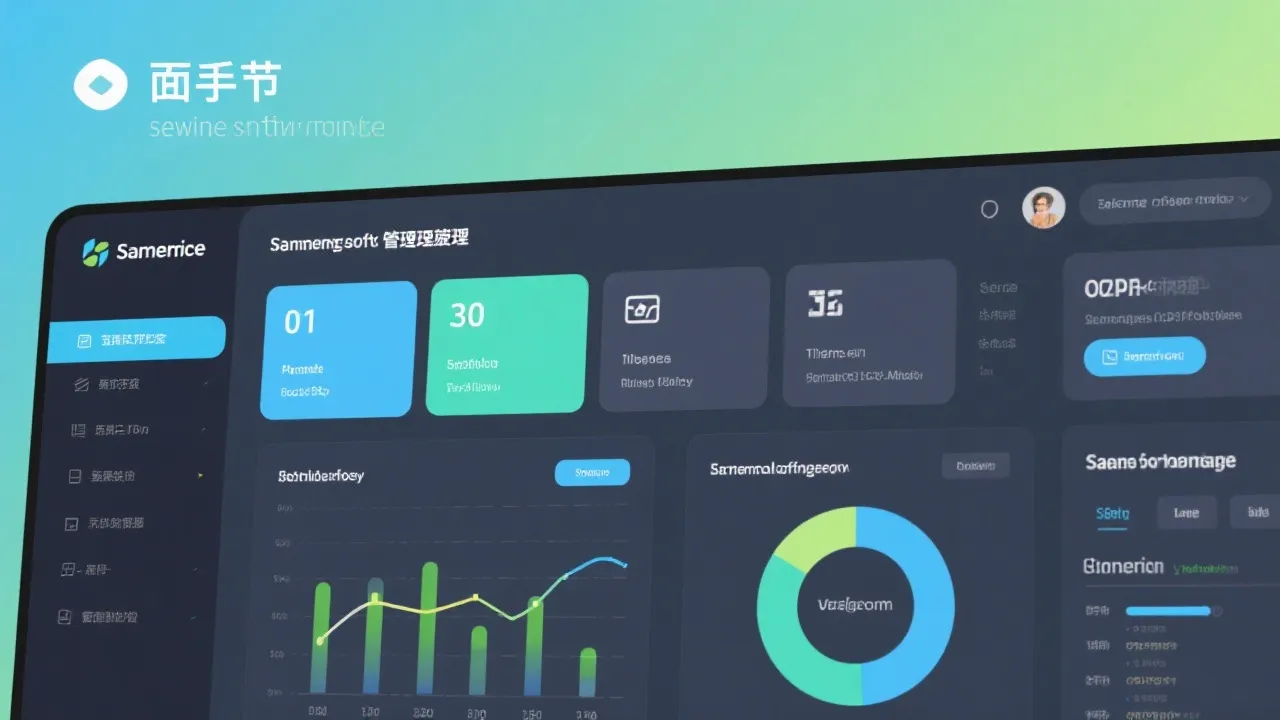
Flexnet DF is a comprehensive software management solution designed to address the complexities of license management. With the constant evolution of software usage rights and licensing agreements, organizations find themselves in need of robust systems capable of ensuring compliance and optimizing software utility. Flexnet DF steps in as a crucial player in this field, offering innovative solutions for software asset management. In the digital age, where software is integral to operational success, the need for effective tools like Flexnet DF cannot be overstated. The relentless pace of technological advancement makes it imperative for businesses to keep abreast of their software assets and licenses. This requirement has become a driving force behind the development of sophisticated software management solutions, aimed at delivering increased efficiency, compliance, and cost-effectiveness.
The primary benefit of Flexnet DF lies in its ability to provide detailed insights into software deployment and usage across organizations. It offers advanced capabilities for managing licenses, tracking software usage, and ensuring compliance with vendor terms. This singular platform helps in mitigating risks associated with software audits, reducing the liabilities from non-compliant software utilization. Additionally, it empowers organizations to make informed decisions driven by data analytics, ultimately influencing strategic direction and operational priorities.
Organizations across diverse industries have successfully integrated Flexnet DF into their IT strategies, resulting in significant improvements in software management. For instance, a global manufacturing company reported a 30% reduction in software license costs within the first year of implementation. This was achieved by identifying redundant licenses and reallocating resources to areas with a higher need. Another example includes a major healthcare provider that faced challenges with ensuring compliance due to a complex landscape of software applications. By implementing Flexnet DF, the organization not only streamlined its licensing processes but also enhanced its audit preparedness, which ultimately resulted in higher compliance scores during external audits.
Moreover, a financial services company leveraged Flexnet DF to manage its software assets across multiple jurisdictions, each with differing licensing laws and requirements. The built-in compliance features of Flexnet DF helped it stay ahead of regulatory requirements, effectively navigating licensing complexities while ensuring that it did not face any legal repercussions. In this scenario, Flexnet DF facilitated the integration of compliance monitoring into their regular operational workflow, allowing the company's IT department to focus on innovation rather than spending excessive time managing compliance.
Implementing Flexnet DF requires a structured approach to ensure seamless integration with existing IT systems. Here’s a step-by-step guide:
Beyond basic license management, Flexnet DF includes advanced features that cater specifically to organizations looking for deeper insights and higher efficiency. These advancements ensure that businesses not only manage their licenses effectively but also leverage their software assets for competitive advantage.
Flexnet DF stands as a critical tool in modern software management, offering comprehensive solutions to ensure compliance and maximize efficiency. Its capability to adapt to diverse licensing models and its ease of integration make it a preferred choice across industries. As organizations continue to digitalize their operations, Flexnet DF proves to be a valuable ally in navigating the complex terrain of software management. Furthermore, the insights gained through its usage analytics foster informed strategic decisions, ultimately leading to enhanced business performance. In an era where software is the backbone of most operations, leveraging effective tools like Flexnet DF will enable organizations to stay competitive while safeguarding their interests against compliance risks and unrecognized costs.
As technology continues to evolve, the landscape of software licensing and management is also changing, driven by trends such as increased cloud adoption, the rise of as-a-service models, and a growing emphasis on regulatory compliance. Flexnet DF is not only designed to keep pace with these changes but also to anticipate future requirements. Below are some of the expected trends that will shape the future of software license management:
In summary, the future of software license management will be characterized by an increased reliance on technology and data, demanding that organizations remain vigilant and adaptable. As these trends develop, solutions like Flexnet DF will evolve, ensuring that organizations not only keep pace with changes but thrive in an increasingly complex operational landscape. Organizations that proactively embrace these trends will achieve better alignment between their software assets and business objectives, ultimately driving sustained growth and success.
How to Thrive on Dating Platforms for Asian Singles

Unveiling Atranet Innovation

Discovering the Essence of Done Ti

Prepaid Phones Without Monthly Fees

Navigating SEO for Business Success

Understanding Done Ti: An In-Depth Analysis

Understanding Rs Sul Telecom's Role in Internet Provision

Navigating Affordable Dental Implant Options

Exploring Internet Service Options

Unveiling Atranet Innovation
Atranet represents a cutting-edge concept in networking technology. Harnessing its capabilities can transform digital communication by providing seamless connectivity. Designed to optimize data transfer, security, and efficiency, Atranet is shaping the future of how we connect and share information. This article delves into its structure, applications, and potential impacts on industry practices and consumer experiences.
Discovering the Essence of Done Ti
This article explores the intriguing concept of "Done Ti," a term that, while not mainstream, echoes themes of completion and endings. As we delve into the relevance and application of Done Ti in various contexts, we unravel its significance and broader implications, crafting a narrative that blends seamlessly with the natural ebb and flow of life's cycles.
Understanding Done Ti: An In-Depth Analysis
This article delves into the concept of "Done Ti," exploring its implications across various sectors. Originating as a keyword of interest, "Done Ti" encompasses diverse applications and interpretations. This comprehensive analysis seeks to unravel its significance and provides an enlightening perspective for industry professionals seeking a deeper understanding of its contexts and uses.

Understanding Genderm Flex Concepts
This guide delves into the concept of Genderm Flex, a nuanced understanding of gender identity that challenges traditional gender binaries. As society becomes more inclusive, exploring and respecting diverse identities like Genderm Flex is essential for fostering acceptance and understanding across different cultures and communities.

Understanding Genderm Flex Concepts
This article explores the concept of "Genderm Flex," a term symbolizing a fluid approach to gender identity and expression. With a growing recognition of diverse gender identities, Genderm Flex represents an evolving understanding and acceptance of gender beyond binary categorizations. The exploration of Genderm Flex emphasizes the importance of self-identification and personal comfort in expressing one’s gender.

Understanding Done Ti Jewelry Trends
Done Ti is a remarkable trendsetter in the world of jewelry, known for its innovative designs and superior craftsmanship. This article delves into the unique aspects of Done Ti collections, exploring the brand's influence on contemporary jewelry trends and its appeal to modern consumers seeking luxury and style. With a reputation for elegance and creativity, Done Ti continues to redefine the jewelry landscape.