English

This guide offers insight into global loan options, highlighting key services offered in English-speaking countries like Australia, Canada, the United Kingdom, and the United States. Loans, a significant financial arrangement, enable individuals and businesses to borrow money with agreed terms. This article provides a detailed account of loan amounts, interest rates, and essential considerations for each country.
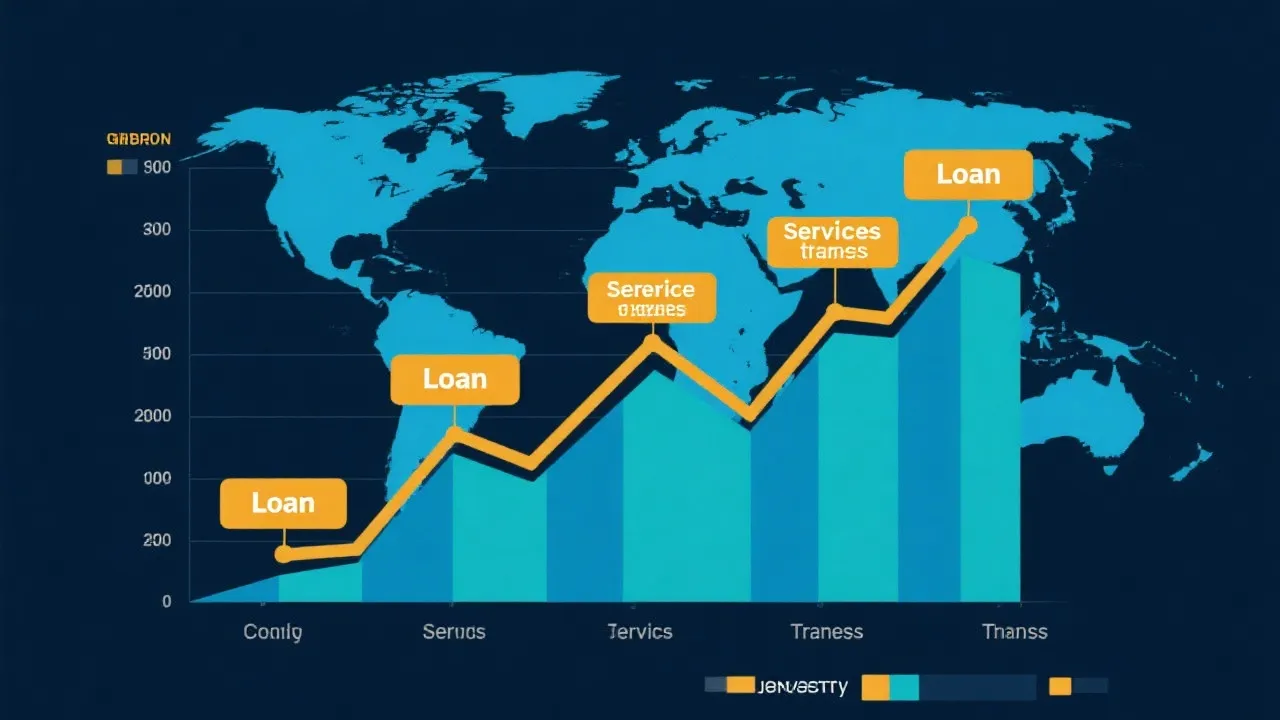
In today's financial landscape, loans serve as a crucial tool enabling individuals and businesses to meet their financial aspirations. Whether it's buying a home, starting a new venture, or covering unexpected expenses, loans provide the necessary fiscal support at varying interest rates and terms. This guide delves into loan offerings in various English-speaking regions, including Australia, Canada, the UK, and the US, illuminating key features such as interest rates, fees, and eligibility criteria. Additionally, we will explore the broader context of loans, including their economic impact, effects on consumer behavior, and trends shaping the lending landscape currently and into the future.
Loans play a fundamental role in the financial ecosystem of any country. They not only assist personal financial health but stimulate economic growth at large. When individuals acquire a loan for significant investments, such as a home or education, they contribute to increased consumer spending and economic dynamism. On a macroeconomic level, borrowing helps finance large projects, from infrastructure development to technological advancements, thereby fostering innovation and job creation.
Moreover, banks and lending institutions benefit from loan interest, which constitutes a major source of revenue for them. This revenue is then recycled into the economy through further lending activities, deposit interest payments, and other investment opportunities. To further illustrate, let's delve into key statistics and figures that highlight the implications of lending on economic performance:
Each country offers its unique array of loan products to cater to diverse financial needs. Here's a closer look:
The following table offers an easy comparison of loan services across these nations:
| Country | Service Provider | Features and Examples |
|---|---|---|
| Australia | Harmoney (Unsecured) | Interest from 5.76% p.a. for loans up to AUD 70,000. Example: $20,000 loan costs ~$382/month for 5 years. |
| Canada | TD Bank (Personal) | Variable rates from 8.99% p.a., no penalty for early repayment. |
| UK | Lloyds Bank (Fixed) | Interest rates from 4.9% p.a., borrowing possible up to £50,000. |
| US | SoFi (Unsecured) | Loans up to $100,000 with interest starting at 6.99% p.a. |
Source: [Harmoney](https://www.harmoney.com.au), [ANZ Bank](https://www.anz.com.au), [TD Bank](https://www.td.com/us/en/personal-banking), [RBC](https://www.rbcroyalbank.com), [Lloyds Bank](https://www.lloydsbank.com), [Santander UK](https://www.santander.co.uk), [Wells Fargo](https://www.wellsfargo.com), [SoFi](https://www.sofi.com)
Applying for a loan can differ depending on regional practices, so it's essential to understand the specific process for each country. Here's a detailed guide on how to secure a loan:
Step-by-step Application Process: 1. **Research**: Begin by evaluating different loan providers and interest rates to find the top fit for your needs. Factors to consider include loan amount, interest rate, fees, and repayment terms. Leverage comparison websites that offer insights into lenders' ratings and customer reviews to make an informed choice. 2. **Eligibility Check**: Ensure you meet the bank's requirements regarding credit score, income, and other financial obligations. Check your credit score in advance, as a higher score often affords better loan conditions. You can obtain free credit reports from various agencies. 3. **Documentation**: Prepare necessary documents like identification, income statements, and credit histories required for the application. In some cases, additional documentation may be needed, such as proof of residency, employment, or existing debt obligations. 4. **Application Submission**: Apply online or visit a bank branch to submit your application with all necessary documents. Online applications are generally quicker and can sometimes provide instant approvals compared to traditional methods. 5. **Review and Approval**: The bank reviews your application, and upon approval, funds are disbursed to your account. Be patient during this process, as it can take anywhere from a few hours to several days based on the lender's policies and the complexity of your application.Understanding loan repayments is crucial not just for managing future financial obligations, but also for maintaining financial health throughout the borrowing period. Here are some critical elements regarding repayment:
In addressing common loan-related inquiries, the following points frequently arise:
Understanding the nuances of loans and their respective offerings across different regions ensures optimal financial decision-making, whether you're in Australia, Canada, the UK, or the US. Always evaluate the terms and conditions thoroughly before committing to a loan agreement. It's also crucial to stay informed about changes in lending practices and economic conditions to make proactive adjustments to your financial strategy.
Disclaimer:
1) The above information comes from online resources as of October 2023, and specific loan requirements and repayment methods are subject to official standards. 2) This information is not updated in real time and seeking personalized counseling from a financial advisor is recommended.
For more information, please visit: [Harmoney](https://www.harmoney.com.au), [ANZ Bank](https://www.anz.com.au), [TD Bank](https://www.td.com/us/en/personal-banking), [RBC](https://www.rbcroyalbank.com), [Lloyds Bank](https://www.lloydsbank.com), [Santander UK](https://www.santander.co.uk), [Wells Fargo](https://www.wellsfargo.com), [SoFi](https://www.sofi.com)
How to Thrive on Dating Platforms for Asian Singles

Unveiling Atranet Innovation

Discovering the Essence of Done Ti

Prepaid Phones Without Monthly Fees

Navigating SEO for Business Success

Understanding Done Ti: An In-Depth Analysis

Understanding Rs Sul Telecom's Role in Internet Provision

Navigating Affordable Dental Implant Options

Exploring Internet Service Options

Global Perspectives on Loan Options
This guide delves into the intricacies of loan options across English-speaking countries like Australia, Canada, the UK, and the USA. Loans are financial instruments that provide individuals with required funds in return for future repayments. This analysis will aid borrowers in selecting suitable loan options by examining interest rates, terms, and conditions provided by various established banks.

A Complete Guide to Loans Worldwide
This guide provides detailed insights into prominent loan options available across English-speaking countries. The term “loan” refers to the act of borrowing a sum of money with the agreement to repay it with interest after a specified period. Explore different loan offers, interest rates, and repayment terms from leading financial institutions in Australia, Canada, the UK, and the United States.

Comprehensive Guide to Bank Loans
This guide explores bank loan offerings in English-speaking regions, highlighting lending options from various institutions in Australia, Canada, the UK, and the US. Loans are a crucial tool for personal and business finance management, supporting everything from personal purchases to large-scale business investments. Understanding loan conditions, including interest rates, fees, and repayment terms, is pivotal for making informed financial decisions.

Navigating Loan Services Across Regions
This comprehensive guide introduces the intricacies of acquiring loans in English-speaking countries. Loans are pivotal financial tools offering essential assistance to individuals and businesses. This guide will explore how various banks in countries like Australia, Canada, the UK, and the US provide distinct loan schemes. You'll discover differences in interest rates, loan amounts, and application procedures.
Navigating Loan Options Abroad
This guide offers insights into loan services available in English-speaking countries, providing potential borrowers with an in-depth understanding of various loan providers, rates, fees, and repayment terms. Loans are financial tools that allow individuals and businesses to access funds for various purposes, from personal expenses to investments, by committing to repay the borrowed amount over a specified period.

Navigating Loans: A Global Perspective
This guide delves into the intricate landscape of loans available in English-speaking countries, providing an overview of distinct types, terms, and rates. Loans play a crucial role in financial planning, offering individuals and businesses much-needed capital to achieve various goals. Whether it's an unsecured loan from Harmoney in Australia or a personal loan from Wells Fargo in the United States, understanding the terms is vital.