English

This article delves into the world of internet services, focusing on Unilink Telcom as a leading provider. With the digital age's ever-growing importance, accessing fast and affordable internet is paramount. Unilink Telcom stands out for its innovative solutions in broadband and fiber-optic services, spearheading advancements that cater to diverse consumer needs while ensuring reliability and speed across connected devices.
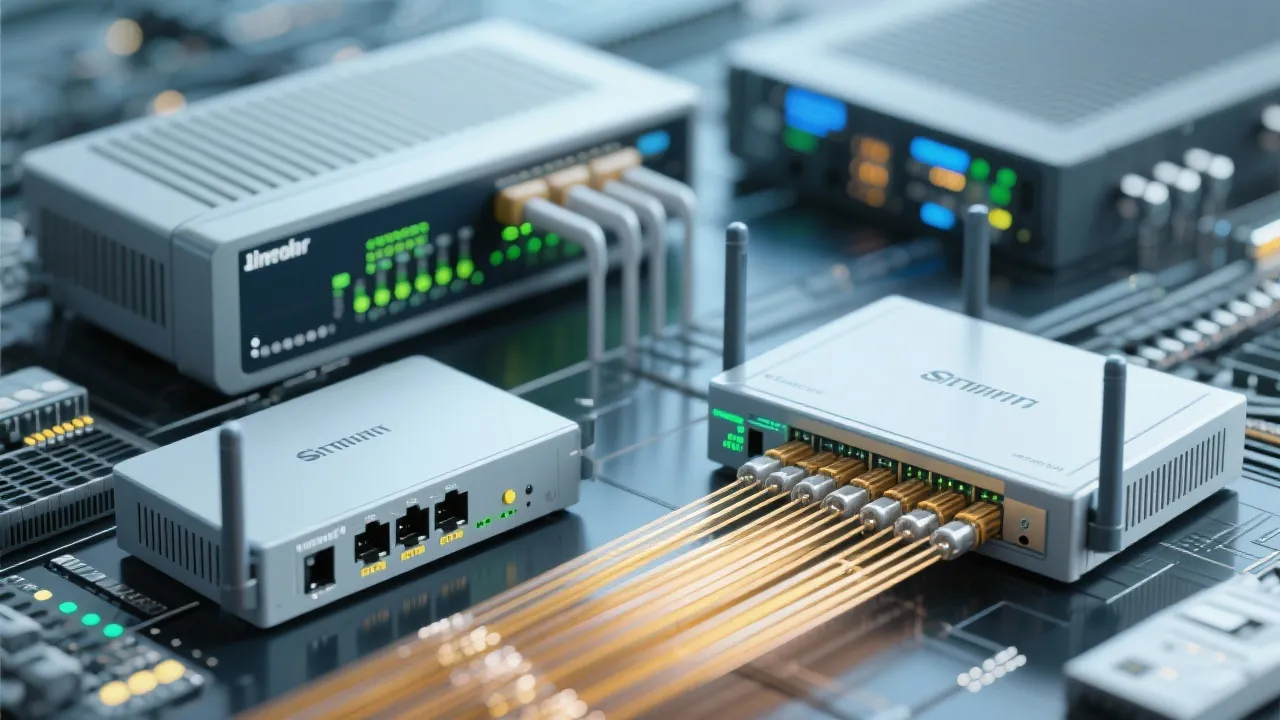
In today's digital society, internet connectivity has become a necessity, not a luxury. Unilink Telcom serves as a cornerstone, facilitating seamless communication and access to information through its state-of-the-art services. This article explores how Unilink Telcom positions itself as a leader in the telecommunications industry, underlining its commitment to providing the top possible internet services to its users. As technology advances, the company adapts to changing demands, ensuring their offerings remain relevant and robust in an increasingly complex landscape.
Modern life is increasingly dependent on fast and reliable internet. Whether for educational purposes, remote work, or entertainment, robust internet service is essential. Providers like Unilink Telcom address these demands by offering high-speed connections tailored to various consumer needs. From streaming high-definition videos to conducting video conferences, the need for uninterrupted service underscores the value of Unilink Telcom in the telecommunications sector. Furthermore, with the advent of smart devices in our homes, the need for stable and swift internet connections has escalated. For instance, many households now have multiple connected devices, including smartphones, tablets, smart TVs, and home assistants, which collectively require substantial bandwidth.
Moreover, the rise of social media and online platforms for communication has revolutionized the way individuals connect. Video calls and online conferencing tools, such as Zoom and Microsoft Teams, have gained immense popularity for personal and professional use alike, particularly in the wake of the global pandemic. Many organizations have shifted to remote work, highlighting the necessity for dependable internet service that can sustain multiple simultaneous connections without interruption. Such changes reflect a broader trend toward greater connectivity which emphasizes the importance of high-quality service providers, such as Unilink Telcom.
Unilink Telcom is among several service providers offering varied internet plans, each catering to different user requirements:
| Provider | Plan | Features |
|---|---|---|
| Xfinity Internet | Connect - $19.99/month for up to 50 Mbps | No contracts, access to Xfinity Wi-Fi hotspots |
| AT&T Fiber | Fiber Internet 300 - $55/month for 300 Mbps | Symmetrical upload/download speeds |
| Spectrum Internet | $50/month for up to 500 Mbps | Unlimited data, affordable modem included |
| T-Mobile 5G Home Internet | $35-$70/month for 72-245 Mbps | Fixed wireless 5G technology |
| Astound Broadband | Starts at $20/month for up to 300 Mbps | Regional availability, low-cost cable internet |
| Verizon Fios | 300 Mbps for $49.99/month | Fiber connection, high customer satisfaction |
For more detailed information on these providers, please visit their respective websites:
When comparing service providers, it’s essential to consider factors beyond just price and speed. Some customers prioritize low latency, which is particularly crucial for online gaming or video conferencing. Others may want specific add-ons or advantages like secure parental controls, robust customer support, or specialized business solutions. Therefore, a comprehensive analysis of service offerings, including customer reviews and feedback, is vital for making an informed choice.
Ensuring affordable internet access is crucial for bridging the digital divide. Several strategies can help users access the internet at low costs:
These strategies, while simple, require awareness and vigilance on the user’s part. It is essential to actively search for opportunities to save on internet costs, especially for communities or individuals facing financial constraints. By leveraging available resources and discounts, many users can access high-quality internet services that may have initially appeared beyond their financial reach.
Internet pricing varies significantly across different countries, influenced by factors such as infrastructure and market competition. Here's a quick look:
United States: Prices range approximately from $30 to over $100, with higher speeds available at higher rates. The homes with fiber optic service tend to enjoy noticeably faster speeds compared to those with traditional DSL or cable options.
United Kingdom: Internet costs range from £25 to over £60, offering both fiber and broadband options. The UK's rollout of fiber services has greatly accelerated in recent years, providing more households with access to higher speeds.
Canada: Customers can expect to pay between CAD 50 and CAD 100 for different service tiers. The duality of rural and urban pricing is significant in Canada, as rural areas often face additional challenges related to service availability.
New Zealand: With prices approximately between NZD 60 and NZD 100, options include fiber and VDSL services. The New Zealand government has invested in high-speed internet infrastructure, making significant strides toward universal coverage.
Australia: Price ranges from AUD 60 to AUD 110, with increasing fiber network availability. The National Broadband Network (NBN) initiative has transformed internet access across the country, prioritizing connection in underserved areas.
Singapore: The competitive market offers high-speed internet at prices ranging from SGD 30 to SGD 60. Singapore is recognized for its rapid internet speeds and affordability, largely attributed to high competition among service providers.
The disparities in prices reflect not just local market conditions but also the quality of infrastructure and investment within each region. In well-connected countries, competition among ISPs drives prices down, while less competitive markets may see higher costs and slower adoption of new technologies.
Unilink Telcom distinguishes itself through innovative solutions tailored to diverse consumer needs while ensuring reliable and high-speed internet service. Through continuous investment in technology and infrastructure, the company provides future-proof connectivity options designed to meet the demands of modern users.
Assess your internet usage requirements, research various providers, and compare their plans based on speed, data caps, and costs. Creating a detailed list of functionalities that are important to you, such as gaming, streaming, or home-based work, can greatly assist in guiding your decision.
Fiber internet is known for offering high-speed, symmetrical connections, making it ideal for bandwidth-intensive activities like streaming and gaming. It is generally regarded as the best type of internet connection due to its superior speeds and reliability, which help in reducing latency issues and buffering problems.
Switching providers can often be done without losing service, but it depends on the logistical aspects of the change. Scheduling the installation with the new provider while keeping your existing service until the switch is complete can help prevent downtime. Additionally, thoroughly researching the setup and installation requirements is crucial to a seamless transition.
When choosing an internet service, be wary of potential hidden costs like equipment rental fees, installation charges, or additional costs for exceeding data limits. It's essential to read through the contract and rate schedule carefully, questioning any unclear fees to avoid surprises in the monthly bill.
In the digital landscape, reliable and fast internet is crucial. Unilink Telcom exemplifies commitment to advancing telecommunications, providing solutions to keep individuals and businesses seamlessly connected. As the industry evolves, providers will continue adapting to meet the dynamic demands of global connectivity. The future of internet access holds promising advancements as technological innovations emerge, paving the way for more efficient and affordable internet solutions that will benefit consumers globally.
Moreover, as remote work becomes a long-term strategy for many businesses, and online learning remains a crucial component of education systems, the role of providers like Unilink Telcom grows increasingly significant. It is imperative for companies in the telecommunications sector to not only focus on residential internet solutions but also tailor offerings aimed at businesses and educational institutions to support the unique needs of these sectors.
Ultimately, fostering robust internet infrastructure will be central to achieving comprehensive digital inclusion. Through strategic partnerships, community engagement, and investment in next-generation technologies, companies can ensure the advent of a more connected world for all.
Disclaimer: The above information comes from online resources, and the data is as of October 2023. The specific access requirements and methods are subject to the official requirements of the internet service provider. This website will not be updated in real time.
As we look further into the future, the advancements in 5G technology will also play a critical role in enhancing connectivity options across urban and rural environments. This shift towards a more interconnected and responsive telecommunications ecosystem will lead to improved service delivery and consumer satisfaction, further establishing Unilink Telcom as a pivotal player in this space.
In conclusion, understanding the evolving landscape of internet services and the critical differences among providers is essential for making empowered choices that fit individual or business needs. As demand continues to rise, the capabilities of internet service providers must keep pace to ensure a bright, connected future for all.
How to Thrive on Dating Platforms for Asian Singles

Unveiling Atranet Innovation

Discovering the Essence of Done Ti

Prepaid Phones Without Monthly Fees

Navigating SEO for Business Success

Understanding Done Ti: An In-Depth Analysis

Understanding Rs Sul Telecom's Role in Internet Provision

Navigating Affordable Dental Implant Options

Exploring Internet Service Options

Understanding Rs Sul Telecom's Role in Internet Provision
This guide delves into Rs Sul Telecom's role in the burgeoning internet sector. As a significant entity in telecommunications, Rs Sul Telecom provides diverse services contributing to global connectivity. The company offers innovative solutions and competitive pricing, ensuring consumers have access to valuable internet services. An in-depth look at various internet plans worldwide supplements this analysis.
Exploring Internet Service Options
This guide offers an in-depth analysis of various internet service providers (ISPs) and their respective offerings, emphasizing the importance of choosing the right plan for your needs. With Minas Net as a pivotal entity, the article delves into the intricacies of internet connectivity, analyzing major providers like Xfinity, AT&T Fiber, and Spectrum, among others, to help individuals and businesses make informed decisions.
Analyzing Top Internet Providers
This comprehensive guide explores the leading internet service providers worldwide, focusing on their plans, features, and areas of availability. It discusses options like Minas Net, highlighting their role in the growing landscape of internet connectivity. Understanding internet plans enables consumers to choose the top service tailored to their needs and location, optimizing their online experience.

Unpacking Rs Sul Telecom's Internet Offerings
This guide delves into Rs Sul Telecom's role in the growing internet market, spotlighting its service offerings and how they compare with other providers like Xfinity, AT&T Fiber, and Spectrum. Rs Sul Telecom is a telecom provider offering internet solutions to improve connectivity in various regions. We'll explore pricing, plans, and cost-saving internet access methods across different countries.

Exploring Internet Providers and Options
This guide delves into a detailed analysis of various internet service providers, highlighting their unique offerings and pricing models. "Rs Sul Telecom" stands as a renowned player in the telecommunications industry, offering innovative solutions tailored for diverse digital needs. This article presents a thorough examination of leading ISPs, pricing structures, and access methods for affordable internet connectivity.

Understanding Rs Sul Telecom and Internet Options
This guide delves into the plethora of internet service options, highlighting Rs Sul Telecom. Rs Sul Telecom is a well-regarded provider, emphasizing reliability and quality in connectivity solutions. It finds itself among major players, offering varied price plans and services tailored to digital consumers. The ever-evolving digital landscape requires comprehensive assessments of these providers to ensure users receive maximum value.