English

Adr 3425 is a revolutionary concept reshaping urban transport planning. This article delves into the intricacies of Adr 3425, exploring its applications, benefits, and potential impact on city environments. Let's examine the aspects that make Adr 3425 a game-changer in modern city planning and the considerations necessary for its successful implementation.
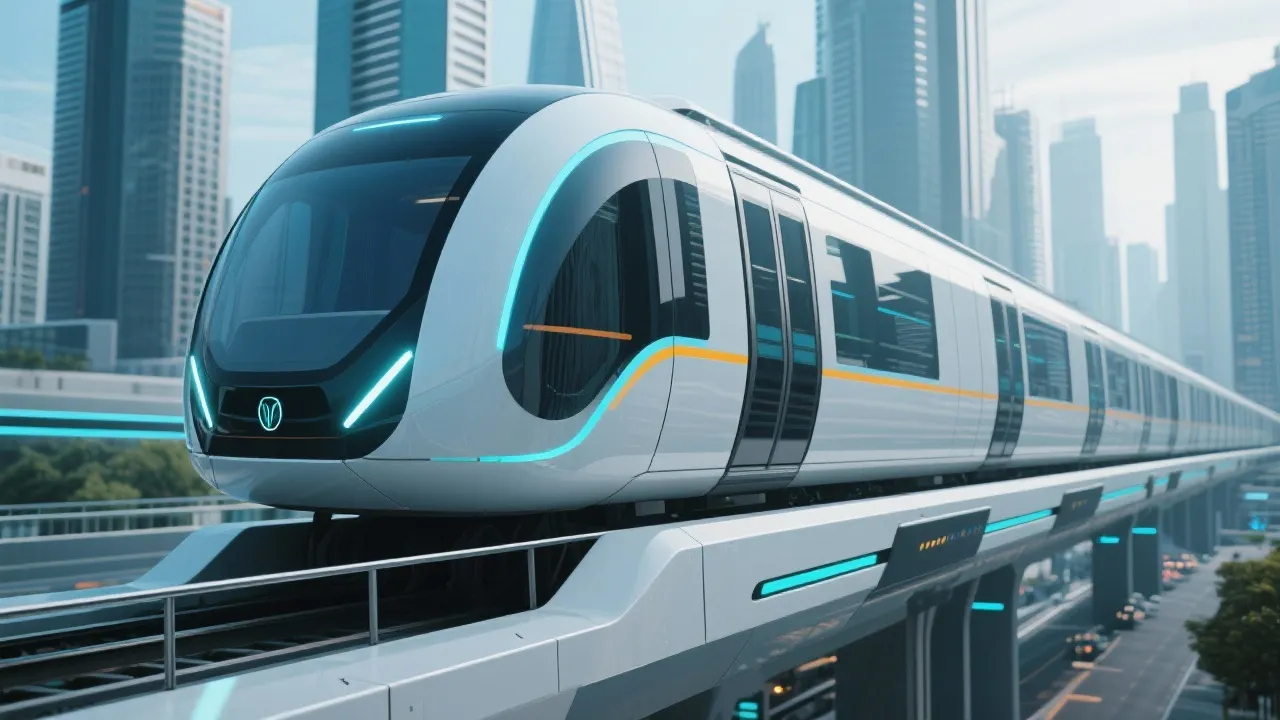
Adr 3425 is a pioneering framework that redefines the planning and implementation of urban transport systems. Emerging as a result of increased transportation demands in rapidly growing urban areas, Adr 3425 seeks to solve prevalent issues such as congestion, pollution, and efficiency. With urban populations expected to swell, understanding the pressing need for innovative transportation solutions becomes crucial. The framework not only addresses these challenges but also promotes a holistic approach that can adapt to evolving urban landscapes. Given its potential, it's vital to understand the various elements involved in this transformative approach and how they interconnect to create a roadmap for future urban transportation.
Adr 3425 is grounded in several core principles that collectively guide its application in urban environments. Understanding each principle and its implications allows cities to implement a tailored approach that reflects local needs and conditions:
The successful deployment of Adr 3425 hinges on strategic planning and execution. Key strategies include:
Adr 3425 harbors the potential to significantly impact various facets of urban living, reshaping both the physical environment and community dynamics. Below are some of the defining impact areas:
| Impact Area | Description |
|---|---|
| Environmental | Reduction in emissions and pollution due to enhanced efficiency and sustainable practices. More green spaces can emerge as cities adopt fewer cars, leading to improved air quality and healthier living conditions. |
| Economic | Boost in local economies with improved accessibility leading to increased business opportunities. Enhanced transport systems can draw in businesses, creating job opportunities, while improved worker mobility leads to a more competitive labor force. |
| Social | Improved quality of life arising from reliable and convenient transport options. Access to transport services can facilitate social interactions, reduce isolation, and empower communities by enhancing connectivity and overall civic engagement. |
| Health | With better air quality and increased active transportation options such as walking or cycling, there can be significant public health improvements. Transport access can contribute to reduced stress and fewer road injuries, promoting a healthier population overall. |
| Cultural | A diverse transport ecosystem can enhance cultural exchange and tourism by improving access to cultural sites and fostering the vibrancy of local neighborhoods. |
Despite its promising outlook, several challenges must be considered in the journey toward the implementation of Adr 3425. These challenges span technical, financial, and social dimensions:
The implementation of Adr 3425 represents a bold step towards addressing the intricate needs of modern urban transportation. By channeling resources towards innovative infrastructure, sustainability, and community engagement, cities can build transport systems that not only meet current demands, but also future-proof their operations against challenges posed by rapid urbanization. While the potential benefits are immense, a comprehensive understanding of the system, coupled with careful planning and execution, will be crucial in optimizing its effects and ensuring sustainable urban growth. Urban planners and local governments must adopt a proactive and integrative approach, leveraging the latest technologies while cultivating an informed and engaged citizenry that plays an active role in the development of their transport systems.
As cities continue to develop and expand, the future of urban transportation under the Adr 3425 framework holds exciting prospects. A vision that incorporates emerging trends and anticipates the needs of future generations can shape urban transport systems in unprecedented ways.
One emerging trend is the integration of autonomous vehicles (AVs) into urban transportation systems. AVs can revolutionize the commuter experience by offering a seamless and on-demand transport option. For urban planners, incorporating AV technology must go hand-in-hand with the principles of Adr 3425, including sustainability and accessibility. Mapping out dedicated lanes for AVs and integrating them with public transport could enhance overall mobility and reduce congestion.
The rise of shared mobility services presents another opportunity for cities. Ridesharing, car-sharing, and bike-sharing services can collaborate with Adr 3425, enhancing urban transport networks. These shared options can decrease reliance on personal vehicles, ultimately aligning with sustainability goals while optimizing resource use.
Moreover, the intersection of transportation and data science is poised to introduce profound changes in urban mobility. Big data analytics can provide insights into transport usage patterns, allowing urban planners to make informed decisions about infrastructure investments. Smart city technologies can deliver real-time information to commuters, improving the overall efficiency of transit systems.
Additionally, community-driven initiatives that advocate for more inclusive and equitable transportation options can play a complementary role in the execution of Adr 3425. This community-centric approach involves working directly with residents to identify transportation gaps and solutions that reflect the diverse needs of a community.
Real-world applications of principles akin to Adr 3425 can be found in progressive urban centers around the globe. Exploring these case studies not only illustrates the viability of this framework but also offers valuable lessons for other cities considering similar transformations.
**Amsterdam, Netherlands:** Renowned for its cycling culture, Amsterdam exemplifies how prioritizing sustainable transportation can lead to urban revitalization. The integration of extensive bike lanes, coupled with public transport networks, illustrates a commitment to environmentally friendly transport solutions. The city's approach aligns with the core principles of Adr 3425 by enhancing accessibility and efficiency while contributing to the reduction of carbon emissions.
**Singapore:** A global leader in smart city innovations, Singapore incorporates advanced technology in its transportation planning. The Land Transport Authority (LTA) employs AI and big data analytics for real-time traffic management, demonstrating how technology integration can lead to increased operational efficiency. Initiatives such as the Electronic Road Pricing (ERP) system reflect the efficiency and sustainability principles embraced within Adr 3425.
**Curitiba, Brazil:** Curitiba's Bus Rapid Transit (BRT) system serves as a benchmark for sustainable urban transport. By prioritizing high-capacity bus corridors and creating a user-friendly network, the city has managed to reduce congestion and improve public transport accessibility. The BRT experience showcases how innovative infrastructure and stakeholder collaboration lead to comprehensive urban transport solutions.
These case studies underscore the flexibility and adaptability of the Adr 3425 principles, showcasing how cities can tailor their approaches based on local contexts while still striving for collective goals of sustainability, efficiency, and inclusivity.
As cities continue to navigate the complexities of urbanization, frameworks like Adr 3425 become essential blueprints for future success. By embracing innovation, fostering community engagement, and committing to sustainability, these principles can guide the evolution of urban transport, ensuring it meets the requirements of all urban dwellers.
In conclusion, the future of urban transportation under Adr 3425 not only promises to alleviate existing problems but also heralds a new era where urban transport becomes an enabler of socioeconomic opportunities, a driver of environmental responsibility, and a cornerstone of inclusive communities. With careful consideration of the challenges and targeted strategies to overcome them, the vision of Adr 3425 can be realized, turning cities into more livable, accessible, and sustainable places for generations to come.
Q: What is Adr 3425?
A: Adr 3425 is a framework focused on the modernization and efficiency of urban transport systems, emphasizing sustainability and accessibility.
Q: How does Adr 3425 benefit urban centers?
A: By improving transport efficiency, reducing emissions, enhancing accessibility, and fostering economic growth. The framework aligns with broader urban goals, driving the development of sustainable and resilient cities.
Q: What are the main challenges of implementing Adr 3425?
A: High initial costs, technological integration, and the necessity to revise existing regulatory frameworks. Community participation and education are also critical aspects that need consideration to align the framework with local needs.
Q: How can cities ensure public involvement in Adr 3425?
A: Active outreach efforts, including workshops, public forums, and engaging local leaders, can cultivate a sense of ownership and ensure the transport system reflects community values and needs.
Q: What role do emerging technologies play in Adr 3425?
A: Emerging technologies such as AI, IoT, and big data analytics are essential for monitoring traffic flows, facilitating real-time data access, and optimizing transportation efficiency. These technologies can drive innovation in urban transport, aligning closely with the principles of Adr 3425.
Q: Can Adr 3425 be adapted to different urban environments?
A: Yes, the principles of Adr 3425 are flexible and can be tailored to meet local contexts and specific urban challenges, making it applicable across diverse cities worldwide.
How to Thrive on Dating Platforms for Asian Singles

Unveiling Atranet Innovation

Discovering the Essence of Done Ti

Prepaid Phones Without Monthly Fees

Navigating SEO for Business Success

Understanding Done Ti: An In-Depth Analysis

Understanding Rs Sul Telecom's Role in Internet Provision

Navigating Affordable Dental Implant Options

Exploring Internet Service Options


Unveiling the Power of Provernet
Provernet represents a pioneering force in the realm of digital connectivity and advanced networking solutions. In this article, we explore its innovative approaches and technology, offering a comprehensive discourse on its impact in the tech industry. Originating as a solution to complex connectivity challenges, Provernet has significantly evolved, integrating cutting-edge methodologies to enhance communication networks.

Navigating the Provernet Landscape
Provernet represents a cutting-edge platform in the digital network arena, offering innovative solutions for enhanced connectivity and data management. This article provides an in-depth exploration of its capabilities, applications, and potential impact on various industries. As digital infrastructure continues to evolve, understanding the dynamics of such platforms becomes increasingly critical for businesses and individuals alike.

Understanding the Backbone of Provernet
Provernet stands as a pivotal digital infrastructure solution provider, empowering seamless connectivity and efficient data management in today's data-driven ecosystem. Recognized for its robust and reliable services, Provernet supports numerous industries by providing cutting-edge solutions that enhance operational efficiency. This article delves into the company’s offerings, market position, and the breadth of its impact across sectors.
Understanding Provernet
This article explores Provernet, a rising technological innovation shaping various industries. Provernet represents an advanced network designed to enhance connectivity and efficiency. Developed with the goal of improving data exchange and operational processes, it stands as a pivotal component in the digital transformation of businesses across sectors.

Understanding Provernet's Impact
Provernet is emerging as a significant player in digital networking, offering advanced solutions for seamless communication. Initially recognized for its innovation in connectivity, Provernet's platforms have redefined how businesses manage networking tasks. This article delves into Provernet's contribution to the industry, exploring its capabilities and future growth potential.

Understanding the Provernet Phenomenon
Provernet signifies a pivotal advancement in network technologies, focusing on increasing efficiency and communication across digital platforms. This article delves into the intricacies of Provernet, examining its impact on technology and its future potential. Highlighting its transformative nature, Provernet offers solutions that promise enhanced connectivity and innovation.